
Deutsche Version weiter unten, hier klicken.
Update 26.07.26: See here for part 1.
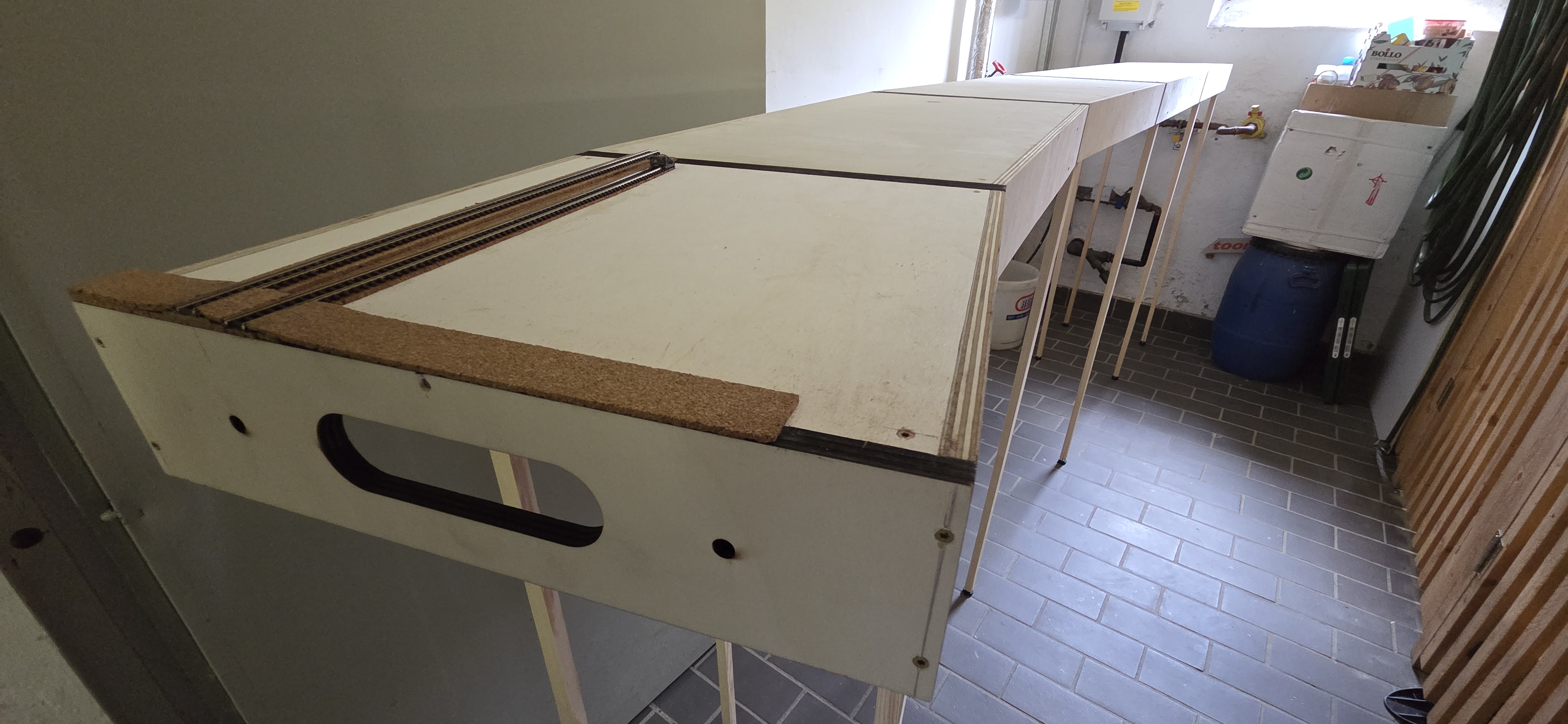
Here are the proper photos of the Effem and Kuhweg modules assembled together in my cellar. I now have enough space to assemble all five segments together, giving me a comfortable workspace for the next stages of construction.
The next major milestone is laying the flex track and turnouts. Everything is ready to go—the track, turnouts and wiring are all on hand. I am only waiting for the 2 mm and 3 mm plywood sheets, which will replace the cork as the track roadbed. Now I just need to find an uninterrupted weekend where I can spend both Saturday and Sunday working on the modules.
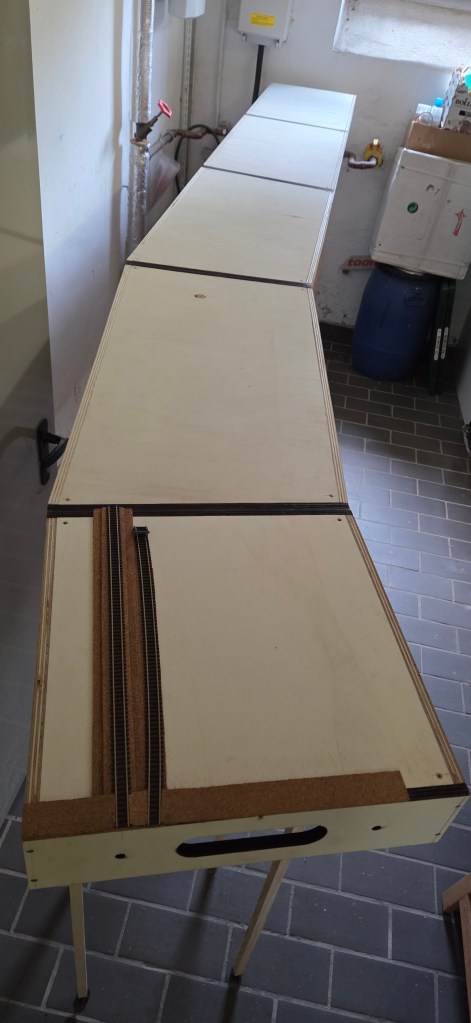
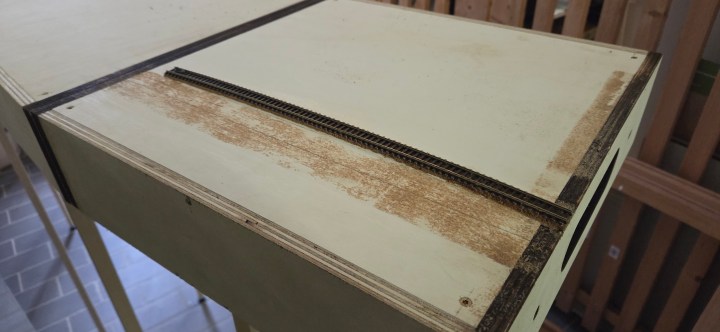
After receiving feedback from fellow FREMO members, I decided to replace the cork roadbed with plywood. Several members advised against using cork because it can warp over time when it absorbs moisture during the ballasting process. These photos therefore show the Kuhweg module after I removed the cork from the operational trackbed, ready for the new plywood roadbed.
The Kuhweg path itself will still be made from cork. Unlike the railway track, it will not be subjected to the repeated loading and handling that the modules experience at FREMO meetings, making cork a suitable material for this application.
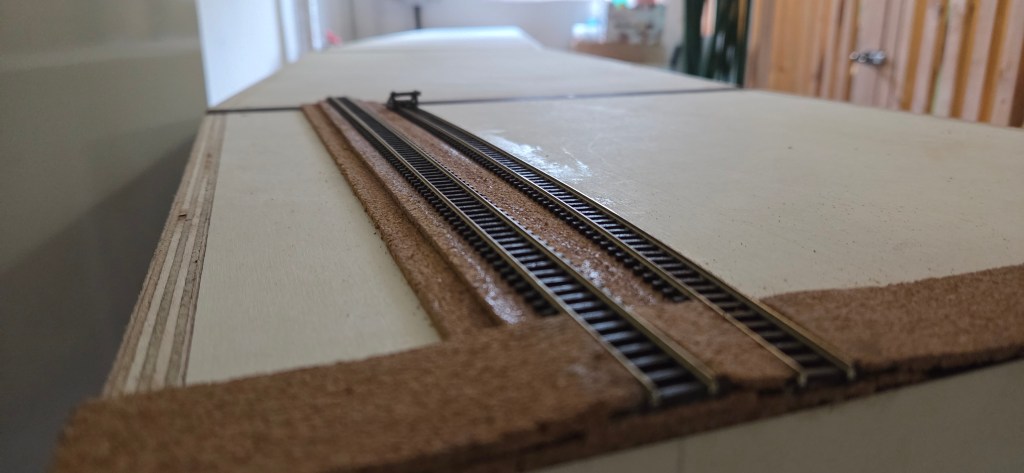
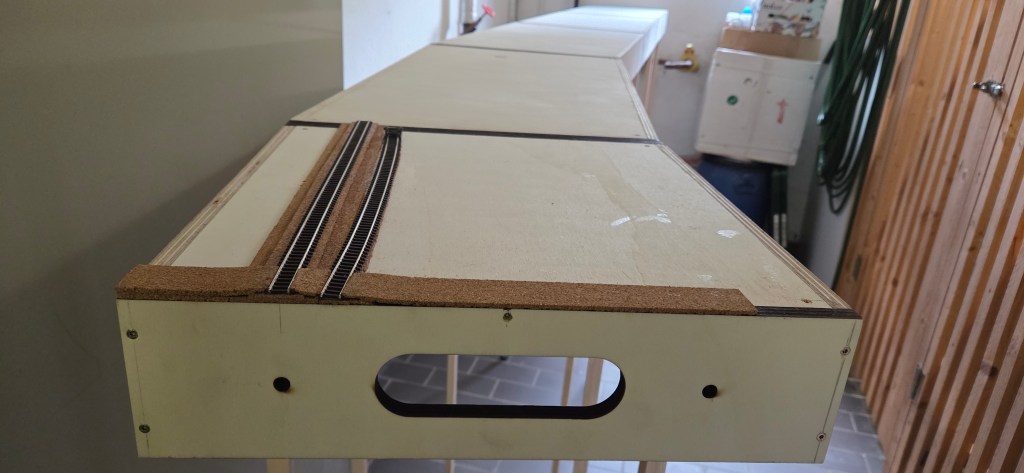
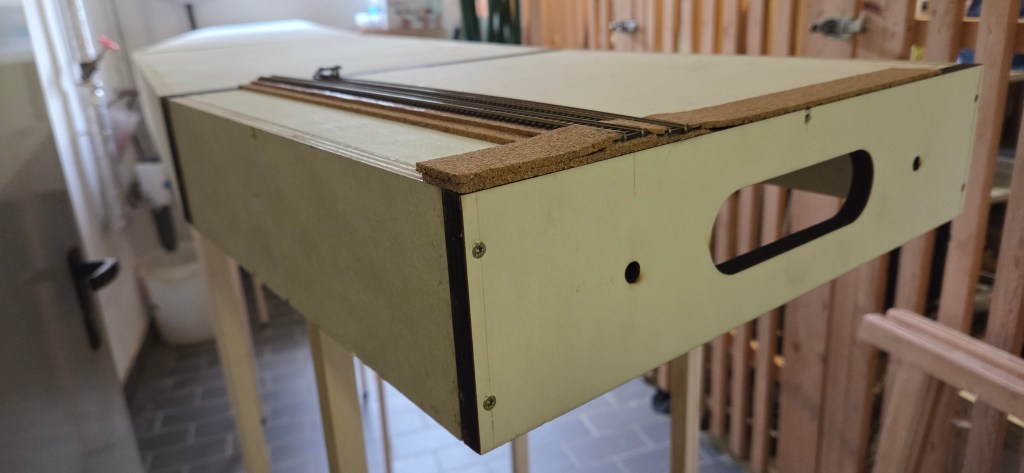
I only removed the cork from the main line and the Kuhweg level crossing. The abandoned industrial siding will retain its cork roadbed, as this track will not be operational or electrically connected anyway.
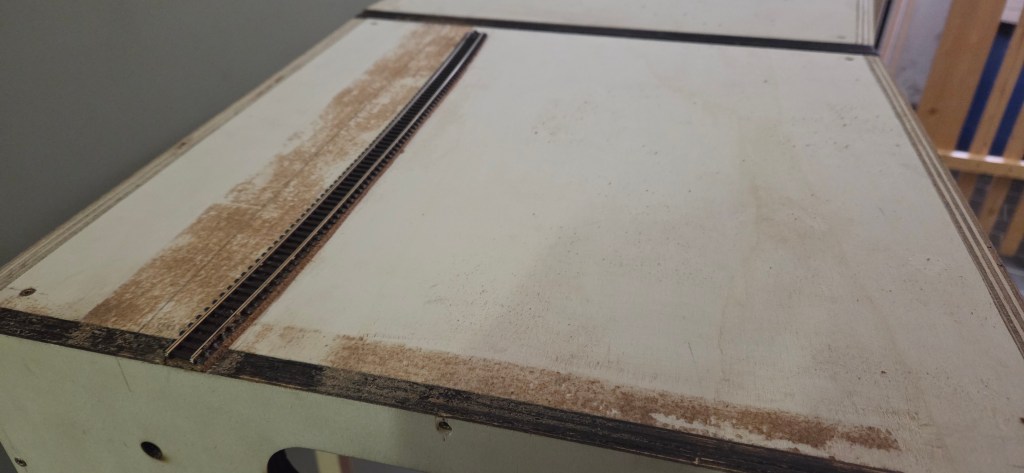
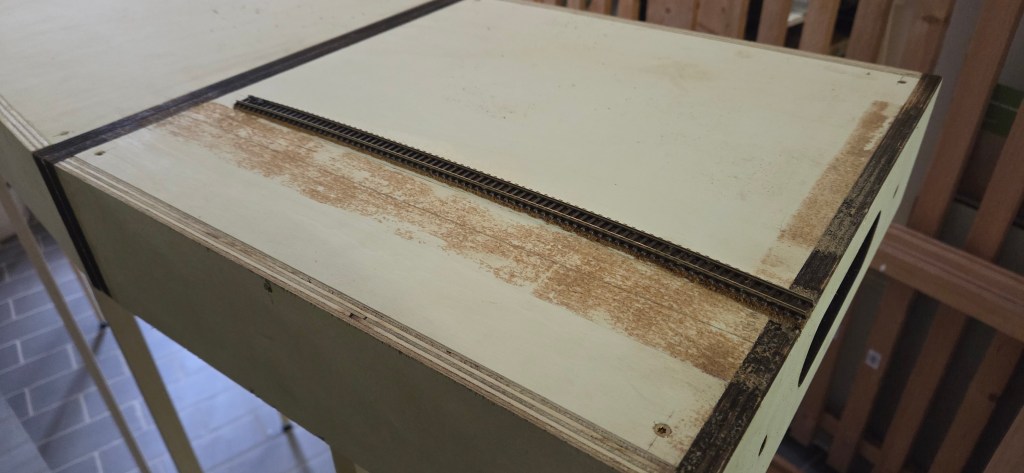
Sometimes the best way to learn is simply to experiment and, if necessary, redo the work. Many FREMO members encouraged me to start with a simple Streckenmodul to gain experience with module construction, track laying and wiring before tackling a more complex industrial layout. In many ways, the “Kuhweg” module has become exactly that learning project.
DEUTSCHE VERSION
Vier Wochen später: Effem (Eitze) steht auf eigenen Beinen (Teil 2)
Update 26.07.26: Den ersten Teil des Bauberichts findest du hier.
Hier sind nun die richtigen Fotos der zusammen aufgebauten Module „Effem“ und „Kuhweg“ in meinem Keller. Dort habe ich genügend Platz, um alle fünf Segmente zusammenzubauen und als komplette Einheit daran zu arbeiten. Das erleichtert die nächsten Bauschritte erheblich.
Als Nächstes stehen das Verlegen der Flexgleise und Weichen an. Das Material liegt bereits komplett bereit – Gleise, Weichen und die gesamte Verkabelung sind vorhanden. Es fehlen nur noch die 2 mm und 3 mm starken Sperrholzplatten, die das bisherige Korkbett als Gleisunterlage ersetzen werden. Jetzt brauche ich nur noch ein freies Wochenende, an dem ich Samstag und Sonntag ungestört an den Modulen arbeiten kann.
Nach wertvollen Hinweisen von FREMO-Kollegen habe ich mich entschieden, das Korkbett durch Sperrholz zu ersetzen. Mehrere Mitglieder rieten mir davon ab, Kork als Gleisbett zu verwenden, da er sich beim Einschottern durch die Feuchtigkeit langfristig verziehen kann. Auf den Fotos ist deshalb bereits zu sehen, wie das Modul Kuhweg nach dem Entfernen des Korks unter dem Streckengleis aussieht. Als Nächstes folgt dort die neue Gleistrasse aus Sperrholz.
Der eigentliche Kuhweg bleibt jedoch aus Kork. Im Gegensatz zum Gleis wird der Weg bei FREMO-Treffen weder dauerhaft belastet noch häufig beansprucht. Daher ist Kork hier aus meiner Sicht weiterhin eine geeignete Lösung.
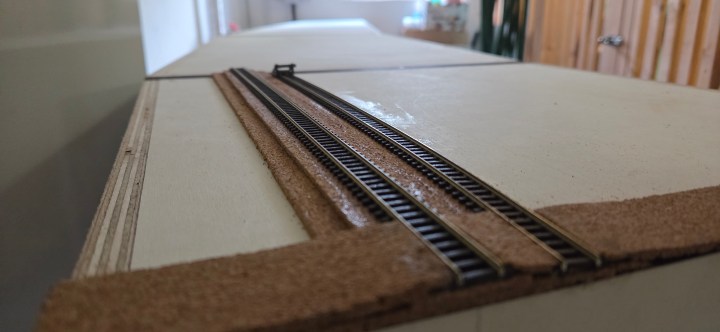
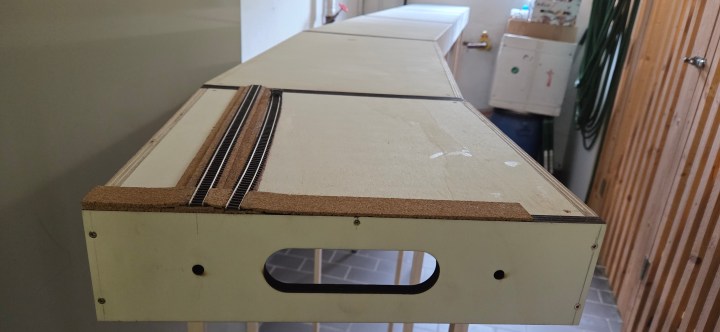
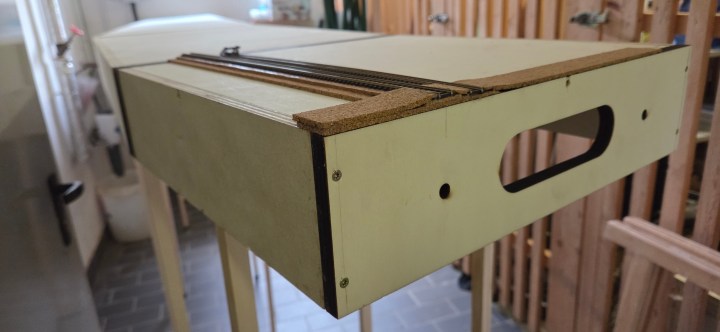
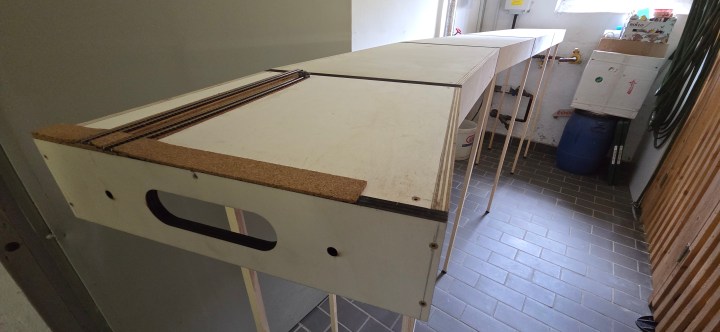
Entfernt habe ich den Kork nur unter dem Streckengleis und am Bahnübergang des Kuhwegs. Das stillgelegte Industrieanschlussgleis behält dagegen sein Korkbett. Dieses Gleis wird ohnehin weder befahren noch elektrisch angeschlossen.
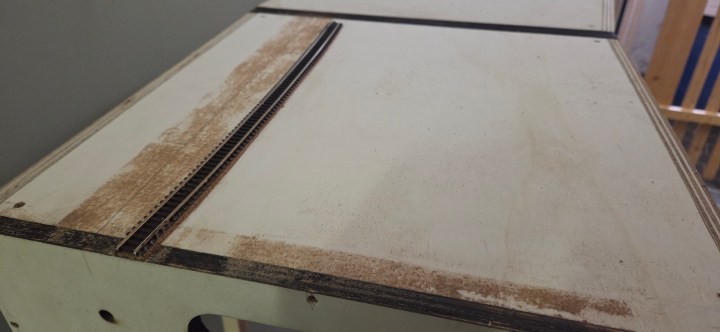
Manchmal führt kein Weg daran vorbei, etwas einfach auszuprobieren und bei Bedarf noch einmal neu zu machen. Viele FREMO-Mitglieder haben mir empfohlen, zunächst mit einem einfachen Streckenmodul Erfahrungen im Modulbau, Gleisbau und bei der Verdrahtung zu sammeln, bevor ich mich an eine komplexere Industrieanlage wage. Genau diese Rolle übernimmt das Modul Kuhweg für mich.
 FREMO:160 by traiNmaster